
S-R-G-m-P-D-n-S Among the most popular light-classical ragas, Khamaj’s core form matches the ultra-versatile Mixolydian Mode of Western music. Despite being chosen by Bhatkhande as the titular raga of Khamaj thaat, renditions will usually draw on melodic combinations from outside these main seven swaras. Jairazbhoy discusses the evolution of these ‘mishra‘ features as a natural outgrowth […]

• Raag Khamaj •

• Raag Kalavati •
S-G-P-D-n-S A playful pentatonic form, neatly structured as a stack of ‘regularly narrowing’ intervals (4>3>2>1 semitones). The wide, sparse poorvang (SG) and clustered uttarang (PDnS) combine to bring a reassuring momentum, with increasing melodic urgency as you go higher (a ‘triple jump then a sprint’). Most Kalavati performances tend towards energy and rhythmic charge (Rahul […]

• Raag Jhinjhoti •
S-R-G-m-P-D-n-S A staple of thumri, tappa, and other light-classical styles, Jhinjhoti is a hearty raga of the late evening and early night hours. Particularly beloved by instrumentalists, its Khamaj-congruent swaras are a firm favourite at Indian weddings and other celebratory gatherings, offering a reassuring familiarity via balancing Durga-like ascending phrases with a special treatment of […]

• Raag Gara •
S-R-gG-m-P-D-nN-S Gara is a disparate melodic lineage, derived from thumri compositions of centuries past: Manuel’s research describes it as “a loose, informal melodic entity until the 18th century, after which [its] grammar was organised by classically trained musicians…like Kafi, Pilu, Jungala, Barwa, and Zila”. Often close to Jaijaiwanti, the modern Gara may also draw from […]

• Raag Champak •
S-R-G-m-P-D-nN-S A seldom-heard neighbour of Khambavati, distinguished (often very subtly) by stronger use of shuddha ma, and sometimes involving a Gm\S catchphrase. Both ni swaras are used, with the komal introduced via vakra avroh motions (e.g. SRn). Named after a huge evergreen tree species with fragrant yellow-orange flowers, used in perfumery and featured in myths […]

• Raag Khambavati •
S-R-G-m-P-D-n-S A loose mixture involving Khamaj, Jhinjhoti, and Mand, with different renditions emphasising varied facets of these ragas. The movements of the former tend to predominate: as per Deepak Raja, “normally performed in slow or medium tempo, with low to medium melodic density…an instant identification of Khambavati, as distinct from Jhinjhoti, requires consummate musicianship. This depends […]

• Raag Deepak •
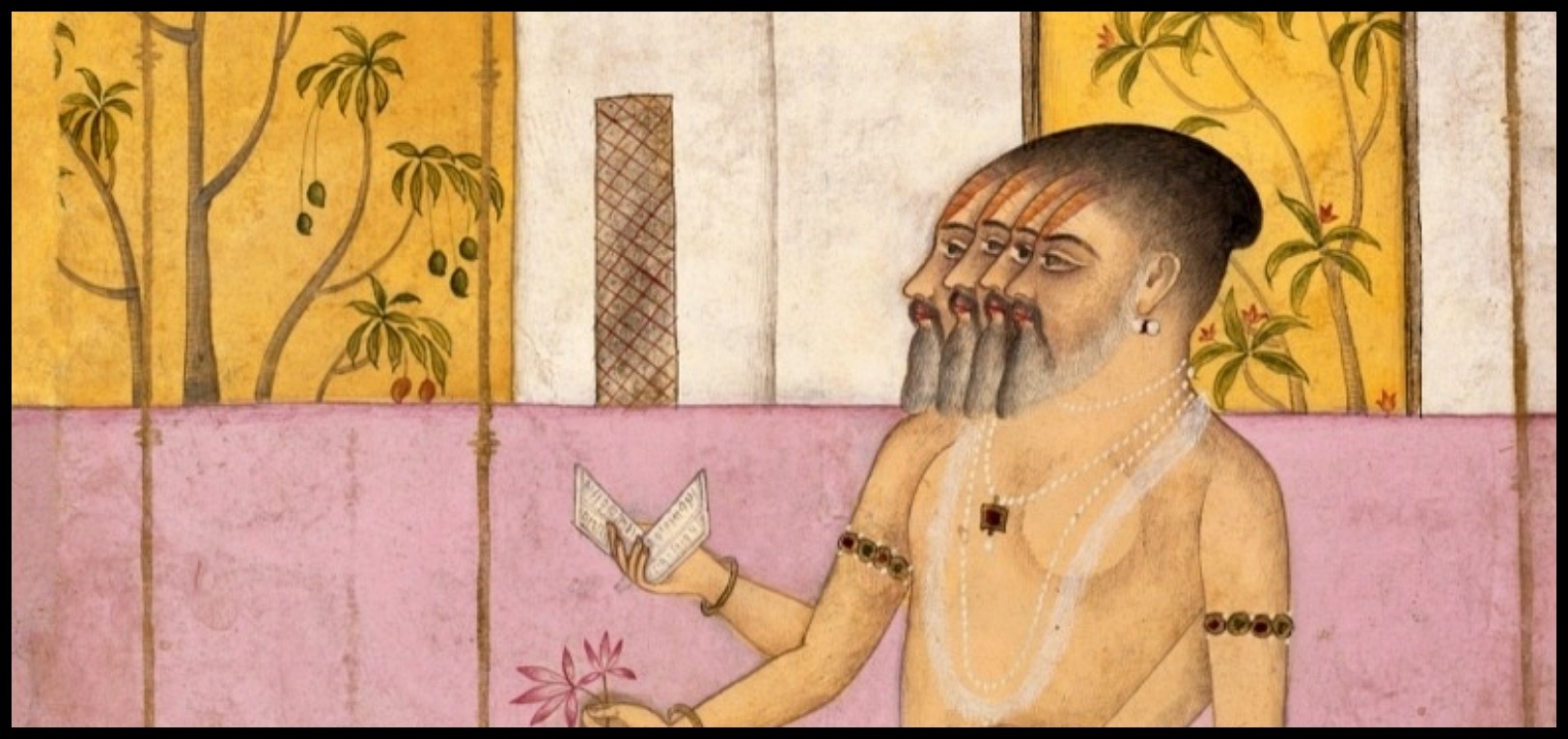
(S-R-G-m-P-D-nN-S) Strictly speaking, Deepak is a ‘lost raga’, chiefly known to us through its status as Tansen’s fabled fire-bringing melody – said to have sparked uncontrollable blazes when he sung it at Emperor Akbar’s 16th-century durbar (…and requiring a special rendition of Megh to extinguish it). The raga appears in numerous ragmala paintings, and has […]

• Raag Manj Khamaj •
S-R-G-mM-P-D-nN-S A ‘double-Ma, double-Ni’ offshoot of the Khamaj raganga, with origins in the Maihar lineage of Allauddin Khan (as per the liner notes to his grandson Dhyanesh’s rendition: “Originally a folk melody of Uttar Pradesh, which assumed its present shape under Allauddin Khan…rendered in a lighter vein, and full of erotic sentiments”). Famously showcased by […]

• Raag Rageshri •
S-R-G-m-D-n-S Working along the lines of a ‘shuddha Ga Bageshri with shades of the Khamaj-ang’, the early-night Rageshri enjoys popularity among vocalists and instrumentalists alike. Like Bageshri, Re is often weak in ascent, and the ma–Dha sangati is strong – while unlike Bageshri, Pa is varjit throughout (likely as a result of shuddha Ga destroying the […]

• Raag Malgunji •
S-R-gG-m-P-D-n-S Roughly describable as a ‘Khamaj-ang Bageshri with a Rageshri-like shuddha Ga in aroha’, Malgunji is a multicoloured form, beloved by Gwalior vocalists (as well as Maihar sitarist Nikhil Banerjee). Some artists also feature a vivadi of shuddha Ni (often as mDNS, likely indicating the influence of Gara). Tanarang, aiming to evoke a “deep atmosphere”, gives a […]

• Raag Madhuradhwani •
S-G-m-D-nN-S As per Parrikar, “Durga Khamaj-thaat is also known as ‘Madhuradhwani’. This is not a popular raga, its base eroded by the popularity of Rageshri…but is part of the Dagar family repertoire”. While some renditions will skip Ni in ascent, traditional Dhrupad presentations will render it shuddha in aroha and komal in avroh – along with […]

• Raag Kalashri •
S-R-G-m-P-D-n-S Introduced by Kirana legend Bhimsen Joshi, via combining Kalavati and Rageshri to span the full seven swaras of Khamaj thaat. Aarshin Karande notes that the raga’s origins lie in Gopalkrishna Bhobe’s 1969 sangeet natak [Marathi musical drama] ‘Dhanya Te Gayani Kala‘ (“Bhimsen-ji developed upon the melody, becoming Kalashri…He even named his home in Pune […]

• Raag Bihagda •
S-R-G-m-P-D-nN-S A Khamaj-seasoned Bihag variant with possible connections to the Carnatic Behag, which appears in several overlapping variants. Raja notes that the raga’s main ‘double-Ni’ form (indistinguishable from some types of Khokar) is associated with Jaipur-Atrauli vocalists, who apply a pakad of Gm PDnDP, GmG PmPG, and limit Bihag’s tivra Ma to swift ornamental movements – while […]

• Raag Rageshri Kanada •
S-R-gG-m-P-D-n-S A seldom-heard Rageshri variant which incorporates Kanada-flavoured poorvang phrases into a broadly Khamaj-ang framework. The only full-length recording I was able to find is a fascinating 1960 album rendition by Dhrupad vocal legend Rahimuddin Khan Dagar (Ganga Jata Shiv: transcribed below), which incorporates shuddha Re and komal ga in curious adjacent movements such as […]

• Raag Sorath •
S-R-G-m-P-D-nN-S A Khamaj-flavoured night raga which enjoys perennial popularity in Sikh traditions: as per Jawaddi Taksal, Sorath is “a simple and sweet raga: but it will be appealing only when the soul seeks the Lord’s name. By singing glorious praises, lifelessness does not come” – and, in the words of another Sikh writer: “Sorath conveys the […]

• Raag Khokar •
S-G-m-P-D-nN-S A captivating raga with disparate modern strands. In its predominant Jaipur-Atrauli incarnation, Khokar is, according to some, essentially identical to Bihagda, itself a fusion of Bihag and Khamaj (Deepak Raja: “A melodic analysis of the so-called Khokar confirms its identity with Bihagda…[any] distinction remains unsupported by either logic or evidence”). On the other hand, […]

• Raag Rageshri Bahar •
S-R-gG-m-P-D-nN-S A double-Ga, double-Ni fusion of Rageshri and Bahar, with the former dominating the aural impression. Abhirang, basing his analysis on a V.R. Athavale bandish, gives characteristic movements of DnSGm; mPgm; nDNS; DnSGmRS; SDnPm – while Subbha Rao’s Raga Nidhi Vol. 4 states that “the vadi is ma, and samvadi is Sa…Re is not used […]
